ADHD Leadership Coaching
Let’s make it easier to lead the way you want.
✔️ Understand how ADHD shows up in the way you work and lead
✔️ Build on your strengths and create support around what gets in the way
✔️ Follow through on what matters, even when work gets busy or overwhelming
For diagnosed or self-identified ADHD and executive-function differences
ADHD Leadership Coaching
Let’s make it easier to lead the way you want.
✔️ Understand how ADHD shows up in the way you work and lead
✔️ Build on your strengths and create support around what gets in the way
✔️ Follow through on what matters, even when work gets busy or overwhelming
For diagnosed or self-identified ADHD and executive-function differences
Does This Sound Familiar?
ADHD shows up differently for everyone. You don’t need to recognise yourself in all of these, but a few may feel familiar.
Why Can This Be So Hard When You’re Clearly Capable?
Leadership places extra demands on executive function. Alongside managing your own priorities, attention and emotions, you’re also making decisions, holding multiple perspectives, having difficult conversations and helping other people take ownership.
ADHD can make some of these executive functions less consistent. So you can know exactly what good leadership looks like and still find it harder to access and apply what you know in the moment, especially when work is busy, reactive or emotionally charged.
The Other Side of Your Strengths

You may also have qualities that serve you brilliantly as a leader. For example you might think quickly, spot connections, generate ideas, care deeply about people, respond well in a crisis or hold yourself to very high standards.
Sometimes these qualities can become harder to manage under pressure. Caring can turn into rescuing. Fast thinking can become too many competing ideas. Responsiveness can leave your own priorities constantly interrupted. High standards can make delegating difficult.
The aim isn’t to make you less caring, creative, ambitious or responsive. It’s to understand your particular pattern – what works brilliantly, what becomes harder under pressure, and what support helps you use your strengths more deliberately.
What Can ADHD Leadership Coaching Help With?
These challenges often overlap. We look at how your attention, emotions, habits, environment, strengths and individual differences interact – both in how you manage yourself and in the leadership habits that shape how your team responds to you.
These are the areas leaders most often want to work on:
What ADHD-Informed Leadership Coaching Looks Like in Practice
The leadership challenges are often the same ones any leader faces: priorities, delegation, difficult conversations, boundaries, decision-making. The difference is that we also pay attention to how ADHD and executive function affect your ability to put what you know into practice.
That means more structure around the coaching, more frequent opportunities to review and adjust, and practical support to help you follow through between sessions. You still lead the coaching, we help hold the structure around it.
Space to Think
You may need room to talk something through, make connections and work out what is really going on before deciding what to do.
Guardrails to Keep You Moving
ADHD thinking doesn’t always travel in a straight line. We can help hold onto the outcome, capture useful side-tracks and bring the conversation back when needed.
Acceptance and Self-Compassion
Not every difference needs to be improved. We explore what needs changing, what might need supporting or accommodating, and what you may need to stop judging yourself for.
Support, Challenge and Action
Acceptance doesn’t mean lowering the bar. We’ll challenge patterns when that is useful, help you make decisions, and keep bringing the work back to what you want to do differently and how best to achieve that.

How the 12-Week Programme Works
The programme is built around two six-week Focus Cycles. At the start of each cycle, we agree one meaningful outcome you want to move forward and one or two behaviours that could help you get there.
You might focus on how you lead yourself, how you lead others, or both. We start wherever will make the biggest difference rather than working through a fixed curriculum. If priorities shift or something important comes up, we can flex the focus and adapt the work as we go.
What Might a Focus Cycle Look Like?
The focus will be personalised to your needs but here are a few examples of the kinds of leadership outcomes we might work towards. Towards the end of the second cycle, we also focus on what keeps this going after the programme ends – which supports stay in place, what your weekly rhythm looks like without us, and how you keep the changes you’ve made.
How We Support You Across the 12 Weeks
The two Focus Cycles give the programme direction. Around them, you have support every week rather than once a month – around 19 hours of scheduled coaching and support in total, so you are never more than a few days from the next chance to think, troubleshoot and keep moving.
What Clients Say Changed Through Coaching
Coaching gives you space to think, understand what’s happening and see things differently, and support to carry those insights into the conversations, decisions and behaviours that matter afterwards.
“After my ADHD diagnosis I was in fight or flight – exhausted, drowning in paperwork, and never getting round to my own life admin. The body doubling became essential to getting things done I’d never prioritised before. Coaching also helped me create boundaries and manage my relationships with the people I work with, which I’d struggled with as a direct result of my neurodivergence. It took me from a chaotic time after diagnosis to some form of calm and clarity.”
“In the past, I’ve often felt strong and ready to face a challenge during a coaching session, only to back down once the actual situation arose. This time felt different. I changed my approach to my 1-2-1s with a particularly difficult individual, and the conversations go much more smoothly than before. I’ve also recognised I was shouldering a lot of the pressure on behalf of my wider team, trying to be protective, which wasn’t actually serving most of them well.
“I recommend coaching to all my line reports. I believe coaching for leaders is fundamental right now. Having dedicated time to focus on yourself and think through issues properly leads to much better judgement.”
“Following coaching I’ve started to take a different approach to my leadership. I now delegate more, giving individuals the space and time to think about solutions and how they would approach things themselves. Having the time and opportunity to reflect on recent situations was really valuable. I wouldn’t normally have done that without the sessions.”
We’ve Worked With Organisations Including


Who You’ll Work With
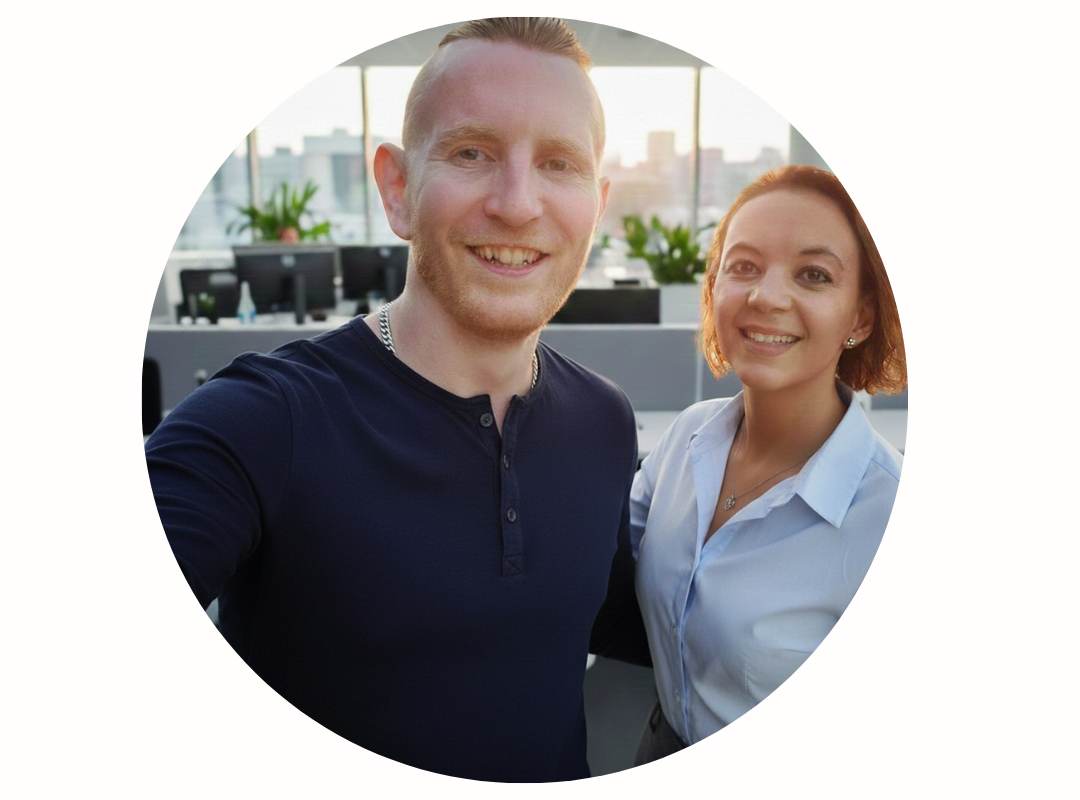
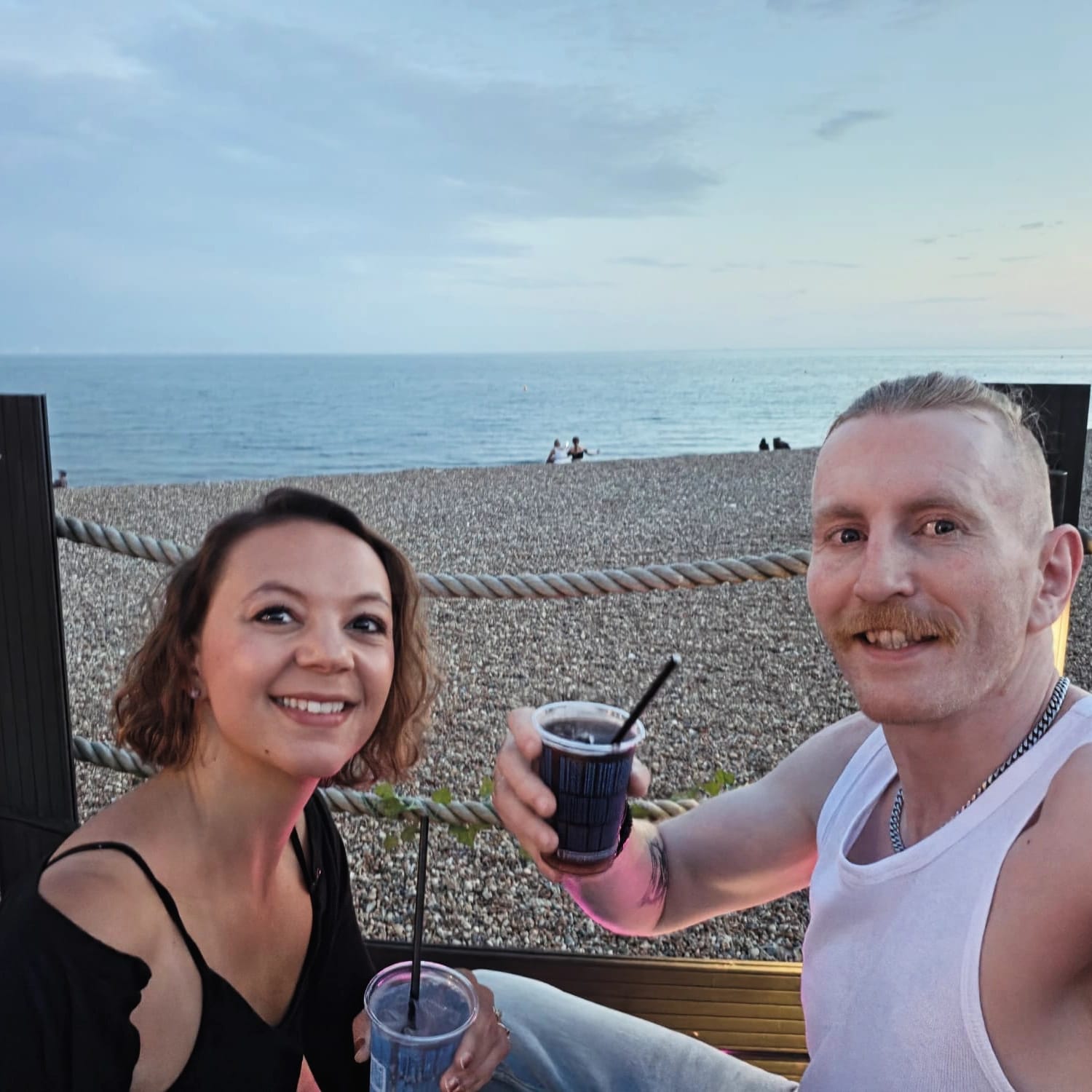
We’re Alison and Neil – husband and wife, business partners and the coaches behind One Life Coaching. Between us, we bring professional coaching, psychology, behaviour change, leadership experience and both professional and lived experience of neurodivergence.

Alison May – CMI qualified leadership coach, supervisor and former NHS leader
Alison has a background in psychology, behaviour change and NHS leadership. During her NHS career, her specialist area was children and young people with learning disabilities, autism and neurodevelopmental needs, including significant work across neurodevelopmental pathways and services.
Her coaching style is warm, reflective and practical – creating space to understand what is really going on, while helping clients turn that understanding into meaningful change.
Dr Neil McLatchie – ILM-qualified leadership coach, psychologist and former university lecturer
Neil has a PhD in psychology and spent seven years as a university lecturer, alongside extensive experience in teaching, coaching and behaviour change. He also brings lived experience of ADHD to his coaching.
His style combines curiosity, challenge and practical problem-solving, helping clients understand their patterns, find approaches that work for them and keep moving towards what matters.
Why This Work Matters to Us
For us, this work is about more than improving performance at work. It’s about helping people understand themselves more deeply, create meaningful change, and do that in a way that includes acceptance, self-compassion and wellbeing too.
We care about helping people work with themselves rather than constantly feeling they need to force, fight or criticise their way forward. That means supporting change where change is needed, while also recognising strengths, understanding differences, and building a kinder relationship with yourself in the process.
We want people to feel more confident in who they are, more able to use their strengths deliberately, more effective in their work, and less stuck in patterns that lead to stress, overwhelm or burnout.
Because you only get one life. Coaching shouldn’t just help you perform better, it should help you lead and live in a way that feels more sustainable, more self-accepting and more fully your own.
Investment
Both options are the same 12-week coaching programme. The difference isn’t who pays, it’s whether your organisation is formally part of the process. Many organisations fund the programme and leave the coaching to you. Others want to agree what the coaching is for and see progress against it. Both are fine, and we can invoice your organisation either way.
Both options include the full 12-week programme: two Deep Insight Coaching sessions, ten weekly Review and Action sessions, weekly body doubling, and light-touch support between sessions. Around 19 hours of scheduled coaching and support in total.
Just You and Your Coach
- Full 12 week programme (includes all support outlined above)
- Paid by you, or by your organisation with no further involvement
- Payment can be made in full or by instalments (no VAT is currently charged)
- Completely confidential – no sponsor, no agreed outcomes, nothing reported to anyone
- We can invoice your organisation directly if they are funding it
- A complimentary coaching session before you commit
You, Your Coach and Your Organisation
- Full 12 week programme (includes all support outlined above)
- Opening three-way conversation with you, your coach and your sponsor, to agree what the coaching is for
- Agreed outcomes and measures of success
- Protected confidentiality – we report on agreed progress, never on the content of coaching conversations
- Closing three-way review and progress summary
- Invoiced to the organisation on standard payment terms (no VAT is currently charged)
FAQs
We want to make sure this programme is right for you. Here are the questions we’re asked most and if yours isn’t answered, let’s have a chat